






Bottle Filler Filter Replacement Guide | Elkay, Oasis, Halsey Taylor
Posted by The ProDrinkingFountains Team on Nov 12th 2025
How Often Should You Replace Bottle Filler Filters? (Elkay, Oasis, Halsey Taylor, Haws, and Murdock)
Keeping your drinking water clean is not just about the brand of your bottle filling station. It is about how well you maintain it. Even the best bottle filler can start dispensing water that tastes off or flows slowly when the filter is overdue for replacement. Understanding how often to replace bottle filler filters, which ones to use, and how to reset the filter indicator can make all the difference in keeping your system performing like new.
If you are trying to identify the correct filter for your unit, see our complete Water Fountain Filter Guide.
If your building has heavy daily traffic, do not wait for performance complaints before replacing the filter. A proactive replacement schedule helps protect water quality, maintain flow rate, and avoid unnecessary service calls.
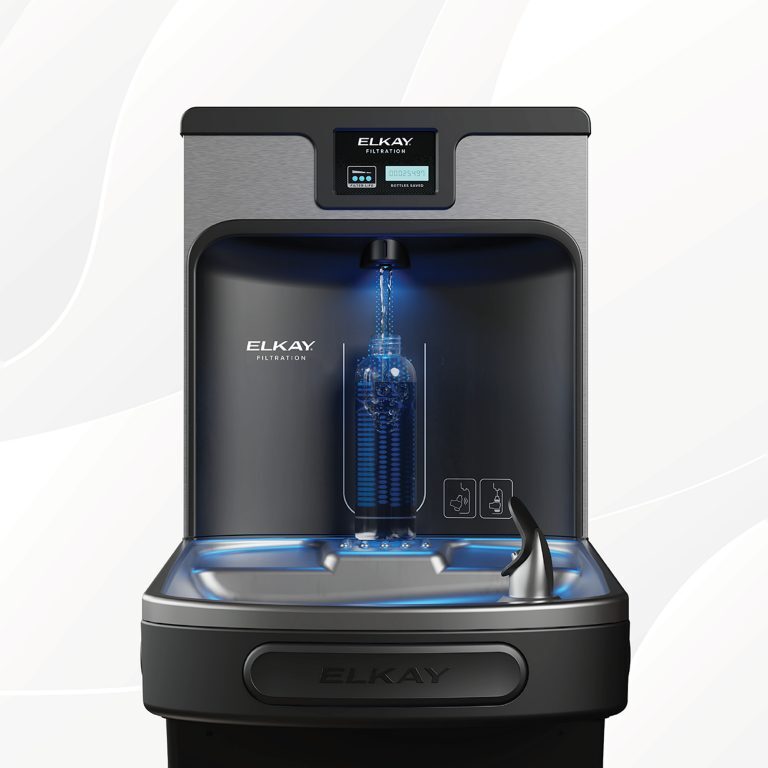
Why Replacing Your Filter on Time Really Matters
The filter in a bottle filling station does more than remove chlorine taste and odor. It helps trap lead, sediment, and other impurities that affect both water quality and safety. Over time, those contaminants build up, restricting flow and stressing the internal parts of your unit.
When filters are neglected, water pressure drops, bacteria can develop, and the internal solenoid or sensor may begin to fail. Some facilities even void manufacturer warranties by not maintaining the filter schedule. A quick filter swap every six to twelve months protects your investment, ensures compliance, and keeps your water fresh.
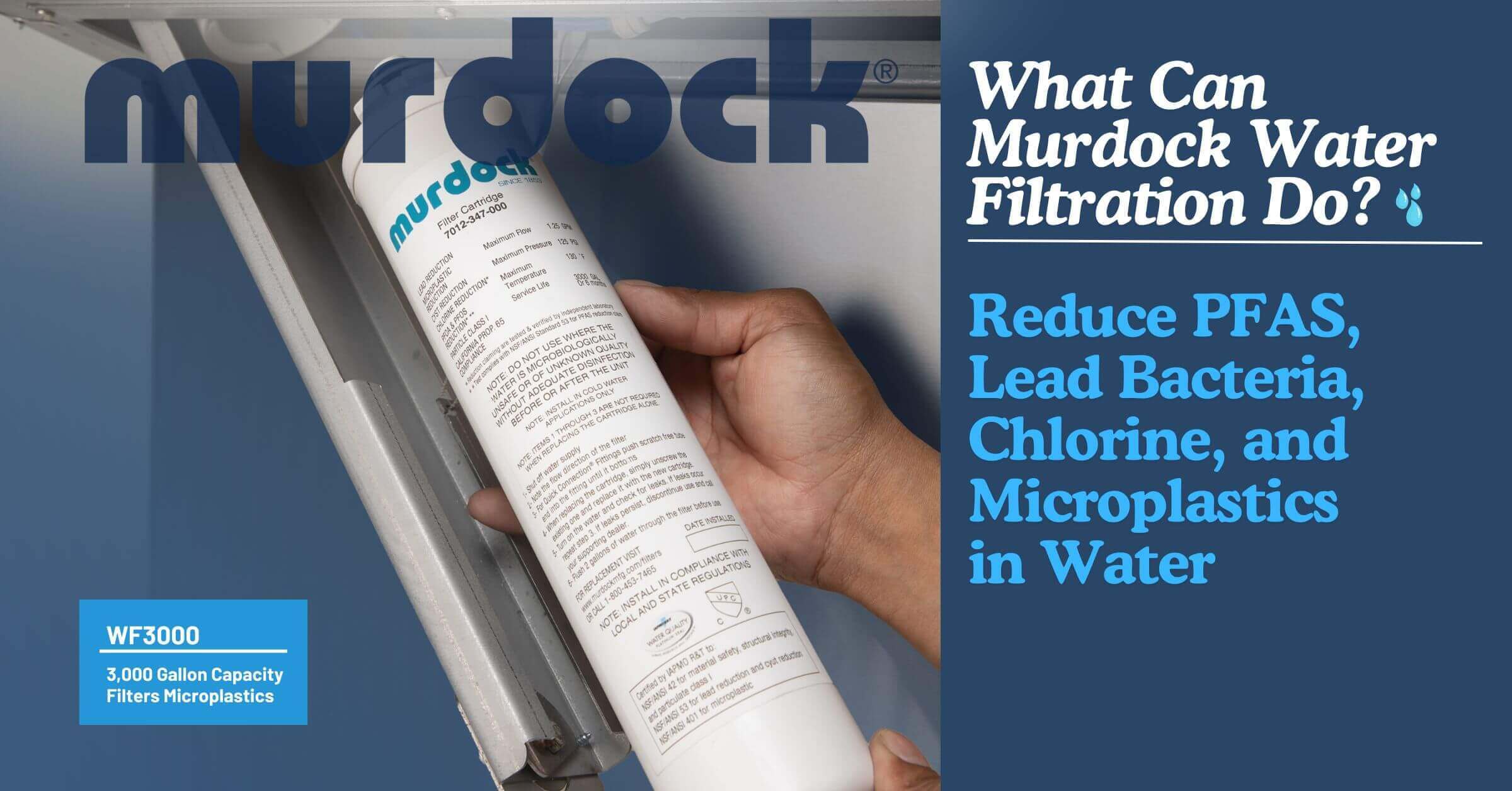
What Do Bottle Filler Filters Remove?
Modern bottle filler filters are designed to do far more than make water taste better. High-quality filters from Elkay, Oasis, Halsey Taylor, Haws, and Murdock are certified to reduce a wide range of contaminants commonly found in municipal and facility plumbing systems.
Lead
Many filters from Elkay and Halsey Taylor meet NSF/ANSI 53 standards for lead reduction, using carbon block and ion exchange media to capture heavy metals before they reach your bottle. This is especially important in older schools and buildings with aging infrastructure.
Chlorine and Taste
Activated carbon is one of the most effective ways to remove chlorine and other chemical byproducts that affect taste and odor. Both Elkay WaterSentry Plus and Oasis VersaFilter models use high-capacity carbon blocks that leave water crisp and clean.
PFAS (Forever Chemicals)
PFAS, or per- and polyfluoroalkyl substances, are a rising concern nationwide. Some of the latest filters from Elkay and Oasis are specifically engineered to reduce PFAS levels, providing an added layer of protection for schools and facilities following stricter state water quality guidelines.
Bacteria and Cysts
Certain filter models use microfiltration or fine-pore carbon technology to reduce bacterial contaminants and cysts. This is an important safeguard for healthcare, fitness, and food service environments where water safety standards are higher.
Microplastics and Sediment
As awareness grows about microplastic contamination, modern filters now include dense mechanical filtration layers that capture microscopic particles, rust, and sediment. These layers help maintain water clarity and prevent internal buildup that can restrict flow.
Together, these filtration technologies ensure that bottle filling stations deliver safe, refreshing, and dependable hydration. Facilities that follow a consistent replacement schedule not only improve taste but also reduce exposure to emerging contaminants that impact long-term health and compliance.
Recommended Filter Replacement Schedule by Brand
Elkay
Recommended Replacement: Every 3,000 gallons or 12 months
Common Models: EZH2O, LZS8WS, LZSTL8WSSP
Filter SKU: 51300C, 51600C, WSF6000R
Key Notes: Filter status LED turns amber or red when nearing end of life
Oasis
Recommended Replacement: Every 2,500 gallons or 6 to 12 months
Common Models: PG8EBF, PG8AC, VersaFiller
Filter SKU: 033926-001, 033926-002
Key Notes: Filter reset button located behind front panel
Halsey Taylor
Recommended Replacement: Every 3,000 gallons or 12 months
Common Models: HTHB-HAC8BLPV, HydroBoost
Filter SKU: 55897C
Key Notes: Compatible with many Elkay-style filters
Haws
Recommended Replacement: Every 1,500 to 3,000 gallons
Common Models: HydrationPoint, 2000SMS, 2000SN
Filter SKU: 6428, 6429
Key Notes: Dual-cartridge options for high-traffic areas
Murdock
Recommended Replacement: Every 3,000 gallons
Common Models: GYQ Series, MFS Series
Filter SKU: GYQF-001, MFS-200F
Key Notes: Designed for outdoor or vandal-resistant use
These intervals are general guidelines. Heavy-use environments such as schools, airports, and gyms should expect to replace filters more frequently. Low-use installations may reach the 12-month mark before the indicator changes color, but annual replacement is still recommended.
Use both the gallon rating and the time-based recommendation when planning maintenance. In high-traffic installations, gallon capacity is often reached well before the calendar says it is time to replace the filter.
How to Tell It Is Time for a Filter Change
Most modern bottle filling stations include a filter status indicator. A green light means your filter is working properly, amber means it is nearing capacity, and red means it is time to replace immediately. If your unit lacks a light, other telltale signs include slow bottle fill speed, odd taste, or water that is not as cold or clean as usual.
It is also good practice to change filters every six to twelve months regardless of the indicator. Water quality, building age, and sediment levels vary by location, and filter capacity can deplete faster than expected.
Step-by-Step Filter Replacement
- Turn off the water supply line.
- Remove the front access panel or door.
- Twist the old filter counterclockwise and pull it out.
- Insert the new filter and twist clockwise until it clicks into place.
- Turn on the water and flush at least one gallon through the system.
- Reset the filter light according to your brand instructions.
Filter Reset Instructions
- Elkay and Halsey Taylor: Hold the filter reset button for about five seconds until the light turns green.
- Oasis: Press and hold the filter button behind the front access panel until the LED resets.
- Haws: Some models automatically reset when the cartridge is replaced; others include a manual reset switch inside the cabinet.
- Murdock: Reset procedures vary by model; most follow a similar five-second button hold after replacement.
Choosing the Right Replacement Filter
Each brand uses specific filter cartridges designed to meet NSF 42 and 53 standards for chlorine, taste, odor, and lead reduction. Using genuine OEM filters ensures compatibility and proper flow rates. Aftermarket or off-brand filters can sometimes fit but often lack certification and may cause leaks or inconsistent performance.
If you are not sure which replacement you need, check the label on your existing filter or the model plate inside the unit. Elkay and Halsey Taylor often share compatible filter cartridges, while Oasis, Haws, and Murdock use their own proprietary systems.
Maintenance Tips for Longer Filter Life
- Replace filters more frequently in schools, gyms, or hospitals where usage is high.
- Flush the system after periods of inactivity, such as summer break or facility shutdowns.
- Keep an extra filter on hand for emergencies or unexpected flow drops.
- Install a pre-filter in facilities with hard water to protect your main cartridge.
- Always reset the indicator light immediately after replacement to keep track of real filter life.
Compliance Reminder for Schools
If your facility is in a state with drinking water compliance laws like Michigan's Filter First, your school is required to maintain records of filter replacement dates and filter type. Elkay, Oasis, and Halsey Taylor units with digital counters make this easier to document. Keeping a consistent filter change log not only ensures clean water but also helps you stay compliant with local regulations.
FAQs
How long does an Elkay EZH2O filter last?
Elkay filters typically last 3,000 gallons or about 12 months, depending on water quality and usage.
Can I run my bottle filler without a filter?
Some units will still operate, but this bypasses lead and chlorine reduction. It is not recommended, especially for schools or healthcare environments.
How do I reset the filter light?
Hold the reset button for about five seconds until the indicator turns green. Instructions vary slightly by brand.
Are Halsey Taylor and Elkay filters interchangeable?
Yes. Halsey Taylor shares engineering and filter compatibility with Elkay, so most models use the same cartridges.
What causes the red filter light to stay on after replacement?
It usually means the reset button was not held long enough, or there is trapped air in the system. Try holding the button again for five seconds and flush the line.