







How to Winterize an Outdoor Drinking Fountain for Winter
Posted by Tahnee Talley on Sep 29th 2026
Outdoor Drinking Fountain Winterization: What Facility Managers Need to Know
Outdoor drinking fountains and bottle filling stations are built to handle exterior environments, but that does not mean every outdoor model is designed to remain operational in freezing temperatures.
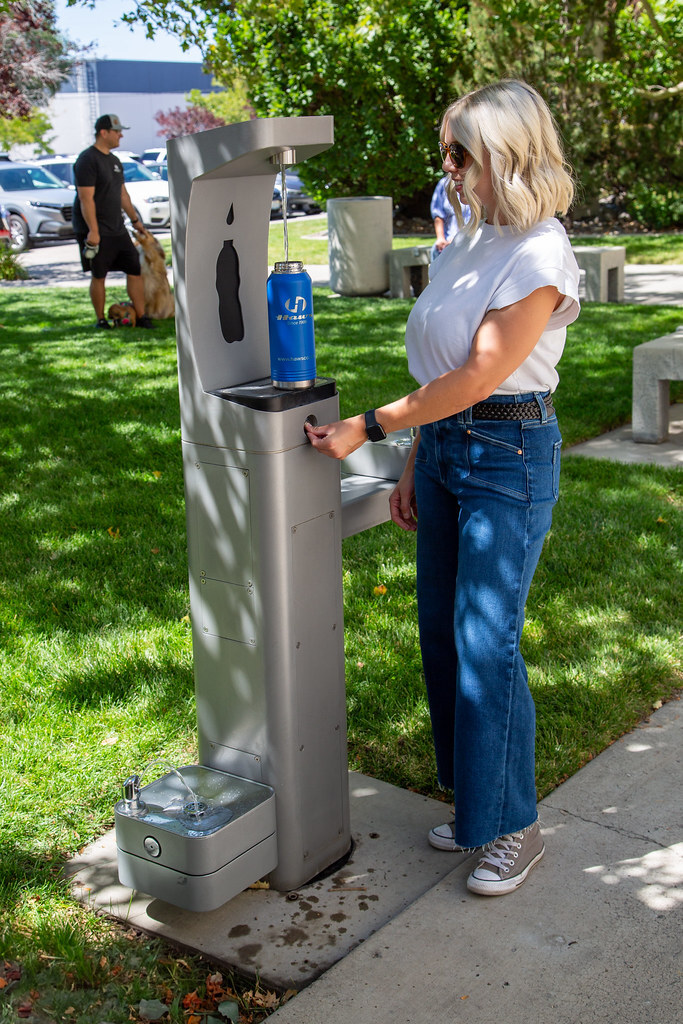
Water left inside supply lines, tubing, valves, fittings, bottle filler components, or other plumbing can freeze and expand. The resulting damage may not become obvious until temperatures rise and the fountain is placed back into service.
For facilities in colder climates, outdoor drinking fountain winterization should be part of the annual fall maintenance schedule. The correct procedure depends heavily on the exact equipment installed. A standard outdoor fountain may need to be shut down and properly drained, while a purpose-built freeze-resistant model may be designed to remain available throughout freezing weather.
Why Freezing Temperatures Can Damage Outdoor Drinking Fountains
An outdoor drinking fountain may look more than durable enough to survive winter. Many commercial models are constructed from stainless steel, heavy-gauge steel, concrete, or other materials intended to withstand exterior environments.
The greater concern is usually what cannot be seen: water remaining inside the plumbing.
When water freezes, it expands. Water trapped in vulnerable tubing, fittings, valves, supply lines, and other components can place pressure on those parts. A damaged component may begin leaking when temperatures rise, or the fountain may fail to operate correctly when it is returned to service.
That is why preparing an outdoor drinking fountain for winter involves more than cleaning the basin or placing a cover over the fixture.
First: Determine What Type of Outdoor Drinking Fountain You Have
Before shutting down, draining, covering, or otherwise preparing a fountain for winter, identify its manufacturer and model number and locate the applicable installation, operation, and maintenance instructions.
Outdoor drinking fountains generally fall into two important categories for cold-weather planning.
Standard Outdoor Drinking Fountains
A standard outdoor fountain may be designed to withstand rain, sunlight, heavy public use, temperature changes, and other exterior conditions while still containing plumbing that is vulnerable to freezing.
Depending on the model, installation, and climate, the fountain may need to be shut down and properly drained before freezing weather.
Freeze-Resistant Drinking Fountains
Freeze-resistant drinking fountains use specialized plumbing systems intended for cold climates. Depending on the manufacturer and model, critical valves may be positioned underground below the frost line while water drains from portions of the fountain that are exposed to freezing temperatures.
Elkay, Haws, and Murdock are among the commercial manufacturers that offer outdoor fountains and related systems designed for freeze-resistant installations.
| Type of Equipment | Typical Cold-Weather Approach |
|---|---|
| Standard outdoor drinking fountain | May require seasonal shutdown and proper drainage before freezing weather. |
| Freeze-resistant drinking fountain | May remain operational when installed and maintained according to the manufacturer’s freeze-resistant design. |
| Outdoor bottle filler or combination station | All water-containing components must be considered, including bottle filler plumbing, fountains, pet stations, valves, filters, and supply tubing. |
| Unknown model | Identify the manufacturer and model before deciding how to prepare the equipment for winter. |
If you are unsure whether your existing equipment is designed for cold-weather operation, start by locating the model number rather than relying on appearance alone.
When Should You Winterize an Outdoor Drinking Fountain?
Do not wait until a major freeze is already underway.
Facilities in climates that regularly experience freezing temperatures should include outdoor drinking fountains and bottle filling stations in their fall preventive maintenance schedule. The exact timing depends on local conditions and the equipment involved, so there is no single calendar date that applies everywhere.
A better approach is to complete the required cold-weather preparation before sustained freezing conditions arrive.
This is especially important for facilities with seasonal or widely distributed outdoor equipment, including:
- Parks and recreation facilities
- Schools and universities
- Sports complexes and athletic fields
- Municipal properties
- Campgrounds
- Golf courses
- Trails and greenways
- Outdoor workplaces
- Commercial properties with exterior hydration stations
For properties with several outdoor fountains, maintain a simple equipment list containing the location, manufacturer, model number, and whether each fixture is standard or freeze-resistant. That small amount of documentation can make seasonal maintenance substantially easier.
How to Winterize a Standard Outdoor Drinking Fountain
There is no universal winterization procedure that applies to every drinking fountain. The manufacturer’s instructions for the exact model should always take priority, and plumbing work should be performed by qualified personnel when appropriate.
However, preparing a standard outdoor drinking fountain for winter commonly involves the following steps.
1. Identify the Manufacturer and Model
Start with the model number. Do not assume two fountains that look similar use the same internal plumbing or require the same shutdown procedure.
Locate the manufacturer’s installation, operation, or maintenance documentation and check specifically for information about freezing temperatures, seasonal shutdown, drainage, winterization, or storage.
2. Shut Off the Water Supply When Required
For equipment that will not remain operational during winter, the water supply may need to be shut off at the appropriate valve.
Simply turning off the water is not necessarily enough. Water can remain trapped downstream from a shutoff valve and inside the fountain’s internal plumbing.
3. Drain the System According to the Manufacturer’s Instructions
Any water remaining in vulnerable portions of the fixture or plumbing can potentially freeze. The manufacturer’s procedure may require water to be drained from specific supply lines, tubing, valves, or other components.
Do not assume that pressing the fountain’s activation button until water stops flowing has completely emptied the system. Internal plumbing varies by model.
4. Include Bottle Fillers, Pet Stations, Filters, and Secondary Components
Modern outdoor hydration stations can contain significantly more plumbing than a traditional single bubbler.
Depending on the model, the station may include:
- One or more drinking fountain bowls
- A bottle filling station
- A pet fountain
- Multiple activation buttons
- Filters
- Additional supply tubing
- Multiple valves or drainage components
Every water-containing portion of the equipment needs to be considered. A combination drinking fountain and bottle filler can require more attention than a basic single-station fountain.
5. Clean and Inspect the Fountain
Seasonal shutdown is a good opportunity to perform preventive maintenance while the fountain is already out of service.
Inspect the fixture for:
- Leaks or signs of previous leakage
- Loose or damaged hardware
- Cracked or damaged components
- Clogged drains
- Leaves, dirt, trash, or other debris
- Worn push buttons or activation components
- Corrosion or finish damage
- Damage caused by vandalism, impact, or heavy use
Correcting smaller problems during fall shutdown can make spring startup easier and reduce the chance of discovering multiple maintenance problems when the fountain is needed again.
6. Document the Shutdown
Record the shutdown date, procedure used, repairs completed, parts that may need replacement, and any special instructions for returning the fountain to service.
Documentation is particularly useful for school districts, campuses, parks departments, recreation systems, and other organizations maintaining fountains at multiple locations.
How Freeze-Resistant Drinking Fountains Work
If an outdoor location needs drinking water throughout the winter, shutting a fountain down for several months may not be practical. That is where purpose-built freeze-resistant equipment becomes useful.
Freeze-resistant fountains are engineered differently from standard outdoor models. Rather than simply insulating the exposed fountain, many systems are designed to keep vulnerable water and valve components below the local frost line and remove water from plumbing exposed to freezing temperatures.
Below-Ground Valve Systems
One common design places important valve components underground below the frost line.
For example, certain Haws freeze-resistant systems use pneumatic-operated valves installed below the frost line and are designed so water can drain from the fountain after operation. Murdock also offers below-ground freeze-resistant systems for compatible outdoor pedestal fountains and bottle fillers.
Drain-Back Systems
Another important part of freeze-resistant design is removing water from plumbing exposed to freezing temperatures after the fountain is used.
Elkay describes freeze-resistant outdoor systems in which control valves are located underground and water drains from tubing above the frost line when the fixture is not operating. Elkay also offers sealed freeze-valve configurations for applications where a traditional drainage field may not be appropriate.
Freeze-Resistant Does Not Mean Maintenance-Free
A freeze-resistant fountain should not be installed and forgotten.
Its freeze protection depends on the components responsible for drainage and water control continuing to function correctly. If a system is designed to drain after every use, anything interfering with that drainage could affect how the system performs in freezing weather.
Before winter, inspect freeze-resistant equipment according to the manufacturer’s maintenance requirements and pay particular attention to:
- Proper drainage after activation
- Leaks
- Damaged tubing or fittings
- Valve operation
- Clogged drains
- Debris around the fountain
- Changes in water flow
- Loose or damaged components
If a fountain does not appear to be operating or draining as designed, investigate the problem before freezing temperatures arrive.
Why the Frost Line Matters
The frost line is especially important when installing a new freeze-resistant outdoor drinking fountain.
The depth at which soil freezes varies by geographic location and local conditions. Freeze-resistant systems that depend on below-ground valves must be installed at an appropriate depth for the specific site and according to the manufacturer’s requirements.
This is one reason cold-weather performance should ideally be considered during product selection and project planning rather than after a standard outdoor fountain has already been installed.
Local plumbing requirements and the authority having jurisdiction should also be considered during installation.
Common Outdoor Drinking Fountain Winterization Mistakes
Assuming “Outdoor” Means “Freeze-Resistant”
This may be the most important mistake to avoid. A fountain can be designed for exterior installation without being designed to remain full of water during freezing conditions.
Check the actual specifications for the model.
Waiting Until After the First Hard Freeze
Preventive maintenance is easier than emergency repair. Include outdoor fountains on the fall maintenance calendar early enough to identify models, find documentation, order any required parts, and complete the work before freezing weather.
Shutting Off the Water Without Draining the Equipment
A closed water supply valve does not necessarily mean all water has left the fountain. Follow the drainage procedure specified for the particular equipment.
Assuming Every Freeze-Resistant System Works the Same Way
Manufacturers use different valve assemblies, drainage methods, and installation designs. Even models from the same manufacturer can have different requirements.
Ignoring Site Drainage
Drainage can be an important part of a freeze-resistant installation. Ground conditions, drainage fields, underground components, and the specific valve system can all influence operation.
Forgetting the Bottle Filler
A bottle filling station can introduce additional tubing, valves, activation components, and water pathways. Do not winterize only the bubbler portion of a combination station and assume the entire unit has been addressed.
Failing to Record What Was Done
Record the shutdown date, repairs, parts needed, and spring startup procedure. Documentation reduces guesswork when a different maintenance employee services the fountain months later.
Should You Cover an Outdoor Drinking Fountain During Winter?
A cover can help keep snow, leaves, dirt, and other debris away from an out-of-service fountain, but a cover is not a substitute for proper winterization.
Covering a fixture does not remove water from internal plumbing, drain vulnerable valves, or automatically protect components from freeze damage.
If a cover is used, follow the recommendations for the particular equipment and avoid creating another maintenance problem by trapping unwanted moisture or interfering with a fountain intended to remain operational.
Spring Startup After Winterization
Winter shutdown is only half of the seasonal maintenance cycle.
When warmer weather returns, fountains that were taken out of service should be restarted according to the manufacturer’s instructions.
Before reopening an outdoor drinking fountain to the public:
- Inspect the fountain and exposed components for winter damage.
- Verify connections and plumbing components.
- Restore the water supply according to the manufacturer’s procedure.
- Check carefully for leaks.
- Clean and sanitize the fixture as appropriate.
- Confirm the bubbler, bottle filler, pet station, and other water outlets operate correctly.
- Review filter replacement requirements if the unit uses filtration.
- Confirm proper drainage before returning the fountain to normal use.
If you need help identifying an existing cartridge, our water fountain filter guide explains how to identify the correct replacement by brand, model, and filter part number.
Planning a New Outdoor Drinking Fountain? Consider Winter Before You Buy
One of the best times to solve a winterization problem is before the fountain is installed.
If the location regularly experiences freezing weather, decide whether the fountain can be shut down seasonally or needs to remain available year-round.
If seasonal shutdown is acceptable, a standard outdoor drinking fountain may be appropriate when selected, installed, maintained, and winterized according to manufacturer requirements.
If year-round outdoor hydration is needed in a cold climate, compare purpose-built frost-resistant and freeze-resistant drinking fountains designed for those conditions.
For a broader look at outdoor fountain selection, including parks, schools, ADA considerations, vandal resistance, bottle fillers, pet stations, materials, and climate planning, see our Commercial Outdoor Drinking Fountain Guide.
Call 888-503-7937 or chat with the ProDrinkingFountains.com team. Provide the installation location, climate, desired configuration, and whether the fountain needs to remain operational year-round. We can help narrow the available outdoor and freeze-resistant options.
Outdoor Drinking Fountain Winterization Checklist
Use this checklist as a starting point for fall maintenance. Always follow the manufacturer’s instructions for the exact equipment.
- Identify the manufacturer and model number.
- Determine whether the fountain is standard or freeze-resistant.
- Locate the manufacturer’s installation and maintenance documentation.
- Determine whether seasonal shutdown is required.
- Shut off the water supply when required by the applicable procedure.
- Drain vulnerable plumbing according to the manufacturer’s instructions.
- Include bottle fillers, pet fountains, filters, and secondary plumbing components.
- Inspect the fixture for leaks, damage, corrosion, clogged drains, and debris.
- For freeze-resistant systems, verify drainage and valve operation.
- Record the shutdown date, repairs, and spring startup requirements.
- Do not rely on a winter cover as a substitute for proper winterization.
Frequently Asked Questions About Outdoor Drinking Fountain Winterization
Do outdoor drinking fountains need to be winterized?
Many standard outdoor drinking fountains in climates with freezing weather require seasonal preparation that may include shutting off the water and properly draining vulnerable plumbing. Freeze-resistant models are designed differently and may be capable of remaining operational. Always check the requirements for the exact manufacturer and model.
At what temperature should I winterize an outdoor drinking fountain?
There is no single temperature that applies to every fountain or installation. Facilities should complete required winter preparation before sustained freezing conditions arrive and follow the manufacturer’s instructions for the specific equipment.
Can you leave an outdoor drinking fountain on during winter?
Only if the particular fountain and installation are designed for those conditions. Standard outdoor fountains may require seasonal shutdown, while properly installed freeze-resistant models may be designed for year-round operation in cold climates.
Does shutting off the water winterize a drinking fountain?
Not necessarily. Water can remain inside tubing, valves, fittings, bottle filler components, and other plumbing downstream from the shutoff. Follow the manufacturer’s drainage procedure for the exact model.
What is the difference between an outdoor drinking fountain and a freeze-resistant drinking fountain?
A standard outdoor drinking fountain is designed for exterior installation but may still contain plumbing vulnerable to freezing. A freeze-resistant fountain uses a system specifically designed for cold conditions, often involving below-ground valves and drainage of water from plumbing above the frost line.
Do freeze-resistant drinking fountains need to be winterized?
Freeze-resistant models require the maintenance and installation procedures specified by their manufacturer. Many are designed to drain vulnerable portions of the plumbing after use rather than being seasonally drained like a standard fountain, but designs vary.
How do I winterize an outdoor bottle filling station?
Start by identifying the manufacturer and model and following its cold-weather or shutdown instructions. Bottle filling stations may contain additional tubing, valves, filters, and other water-containing components that must be considered along with the drinking fountain portion of a combination unit.
Should I cover an outdoor drinking fountain for winter?
A cover may help keep snow and debris off an out-of-service fixture, but it does not replace proper winterization. A cover cannot remove water trapped inside plumbing or protect vulnerable internal components by itself.
Can freeze-resistant fountains still be damaged by freezing weather?
Freeze-resistant equipment depends on correct installation, drainage, valve operation, frost-depth considerations, and ongoing maintenance. A problem with the system can affect its ability to protect vulnerable plumbing, so freeze-resistant does not mean maintenance-free.
The Bottom Line
The most important step in winterizing an outdoor drinking fountain is knowing exactly what equipment you have.
A standard outdoor fountain and a freeze-resistant fountain may look similar above ground while using very different plumbing systems. Some fountains should be shut down and properly drained before freezing weather. Purpose-built freeze-resistant systems may instead be designed to keep vulnerable components below the frost line and drain exposed plumbing after use.
There is no universal shutdown procedure for every outdoor drinking fountain. Identify the manufacturer and model, determine whether the equipment is standard or freeze-resistant, and follow the installation and maintenance instructions for that particular system.
If you are replacing an outdoor fountain or planning a new installation, ProDrinkingFountains.com can help you compare commercial outdoor and freeze-resistant options from leading manufacturers based on your facility, climate, application, and year-round hydration needs.
Tahnee Talley is part of the ProDrinkingFountains.com team and creates practical guidance for commercial drinking fountains, bottle filling stations, filters, water coolers, and facility hydration projects. Her work focuses on helping facility managers, schools, contractors, municipalities, commercial buyers, and other organizations better understand product selection, maintenance, replacement, and real-world installation considerations.